
전 세계 81개국의 한글학교 교사 응답자 중 60%는 재외동포들이 한글을 배우는 이유가 ‘한국인으로서 정체성을 찾으려는 것’이라고 답했다. (한국외대 김재욱, 2014) 그러나 우리 선생님들이 “정체성”이 무엇인지 알고 있는가?
정체성을 형성하는 것은 “한 주체가 자신의 과거를 현재와 관련 짓는 정신적 행위이자 자기 성찰과정이다.” (김기봉, 한국학의 즐거움, 2011). 정체성 (Identity)이란 “변하지 아니하는 존재의 본질을 깨닫는 성질, 또는 그 성질을 가진 독립적 존재” (표준국어대사전) 라고 한다. 여기에서 주목할만한 성격은 독립적 존재의 본질을 깨닫는데 있다고 본다. 이 독립적 존재는 바로 우리가 찾는 정체성이기 때문이다. 그러나 이 정체성은 어느 역사책에 기록되어 있는 사실을 맹목적으로 외우는 것이 아니라 우리 스스로가 탐구하여 깨닫는 자랑스러운 주관적 성격으로 구성되는 성찰과정이라야 한다.
필자가 제안하고 싶은 하나의 가설이 있다면, 독립적 존재의 본질, 그 정체성은 최소한 자랑스럽게 여길 만한 우리의 것으로 우리 자신의 주관적 경험, 우리의 전통 문화에서 나와 구성되어야 한다는 것이다. 우리의 역사와 문화가 독립적 존재의 본질이기 때문이다.
어느 날 나는 뉴욕총영사관의 요청으로 군 복무 입대 연기를 신청한 한 대학원 학생과 면접을 했다. “미국 사람들에게서 ‘한국에 대해서 자랑할만한 것이 무엇이냐?’ 라고 질문을 받는 다면…?”라고 질문을 했더니, 이 학생의 대답이 “자랑할 것, 아무것도 없어요!” 라고 하는 것이었다.
왜, 자랑할 것이 하나도 없었는가? 이것은 한민족 정신의 결핍이요, 역사 문화 교육의 부재에서 오는 비극이요, 한 마디로 정체성이 없었기 때문이었다. 교육자인 나에게는 그 대답이 내 가슴을 칠 수밖에 없었다.
진실로, 한글, 한국어, 한국문화가 없이 우리 나라 우리 민족이 생존할 수 있는가? 아니요!
한글, 한국어, 한국 문화에 우리 민족의 얼이 살아있는가?
나는 그렇다고 믿는다!
아리랑 노래가 UNESCO에 소중한 문화 유산으로 등재되었다고 한다. 노래만 아니다. NJ에서 거행한 “품앗이”이라는 한국 문화제에서도 우리 학교 한국 무용단은 부채춤을 추었다. 이 아름다운 한국문화가 우리 민족의 정체성의 한 모습이 아닌가? 사물놀이, 판소리도 우리 민족의 정체성, 인기 음식, 불고기와 김치도, 김밥과 떡볶이, 순대도, 한국 문화의 흥분 속에서 느끼게되는 우리 민족의 정체성이다.
“세계를 지배하는 민족은 세가지 특징이 있는데, 부지런하고, 책임감이 강하며, 자신의 고유문화를 간직한다.” 이것은 영국의 역사 철학가 아놀드 토인비가 한 말이다.
가장 중요한 교육자들의 과재는 당연히 우리 고유의 전통문화를 어떻게 가르치느냐는 것이다.
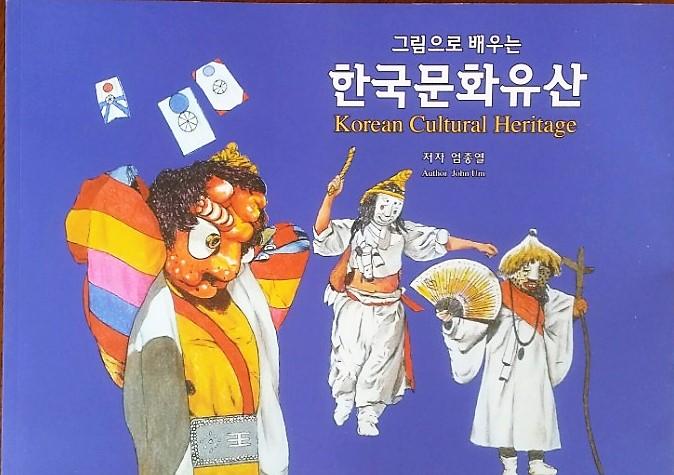
마침내, 미주한국전통문화연구원 원장 엄종렬화백이 한국학교를 위한 시청각 교재, “그림으로 배우는 한국문화유산 (Korean Cultural Heritage: Coloring Book”을 다년간 연구끝에 재작 출판한것을 진심으로 축하한다. 한국전통의상, 건축물, 보자기, 씨름, 호랑이, 한국도자기, 한국의 건축, 거북선, 첨성대, 석굴암, 에밀레종, 추석 성묘 등 [250쪽] 다양한 한국문화의 소재를 선택, 칼라 사진과 흑백 라인그림을 함께 배치해 학생들이 그림에 색깔을 입히면서 한국문화에 접근감을 느끼도록, 한국문화를 체험할수 있도록 제작하였다. 문화 교육을 위한 반 편성을 따로 할 필요도 없다. 한국어 시간에도 틈만 있으면 어디에서나 쉽게 흥미롭게 사용할 수 있는 교재가 될것이다.
한글(주시경 선생이 지은 이름), 한국어, 한국사와 한국문화는 우리 민족의 존재의 본질이요, 우리의 정체성의 원천(源泉)이다. 우리가 해야 할 남은 일은 교육이다. 한민족의 정체성은 자랑스러운 한글, 우리말, 한민족사와 문화의 교육에서 발굴 육성되어야 한다!
“역사를 배우지 못하면 비극을 되풀이 할 뿐이다.” (George Santayana, 미국의 시인, 역사철학가). 이 가르침은 우리 민족 정체성을 위한 교육의 좌우명 (座右銘)이 되어야 할 것이다. 그런데 한 민족의 역사는 그 민족의 문화가 없이는 형성될수가 없고, 문화가 말살되면, 그 민족의 역사는 한낫 역사의 기록에 지나지 않는다. 한국 민족사 속에서 살아 숨쉬고있는 전통문화를 체험함으로써 우리자녀들이 한국민족의 정신유산을 발견하고 우리 민족의 정체성을 활짝 꽃피울 수 있게 될것이다. 그래서 아름다운 문화 유산과 민족사를 물려 받을 수 있게 될것이다.
그림으로 배우는 한국문화유산 [엄종렬, 2018]는 역사 문화 교육의 난관에 부디치고있는 우리 한국학교에 획기적인 도움이 될것으로 믿어 각 학교와 학부모들에 추천하고 싶다. 강의와 읽기, 그림을 보느것 만으로 문화를 가르치는 교육방법은 이미 사멸되어 버리고 말았다. 우리 학생들은 새로운 시대에 살고있다. 새로운 학습방법, 진실을 탐구하는 방법, 자기 자신이 만들어 그려내는, 그러면서 한국의 미를 스스로 체험하는 경험을 원한다. 자기 손으로 색칠하면서 그림을 완성하는 가운데 한국문화의 미를 발굴하게 도와주자. 그래서 자신의 작품을 자랑하도록하자.
우리의 아름다운 한국 문화를 가르치자!
김치경, 교육학 박사
1979~2009, 남부뉴저지통합한국학교교장 16년간, 현재 명예교장/부이사장
2001~2009, 매인 주립대학교 교육방법론/교육과정이론 교수
1969~2001, 체리힐 고등학교 이스트 과학 교사/과장
According to a survey of Korean school teachers from 81 countries, 60% responded that the main reason for learning Hangeul is to find the identity of Korean people. [1] Now then, do our Korean teachers understand what Korean identity is? Identity consists of the intellectual act of making a connection between one’s principal human agent and his/her present and past, as well as the process of examining one’s self-introspection. [2] Identity is discovering one’s unchanging existence or its nature of possessing independent existence. [3] Central to this concept is perception of independent existence because the independent existence is the identity we are searching for. However, this identity is not reciting a part of historical facts in the textbooks, but is gained through a subjective process of making inquiry and self-examination. It is a process of self-discovery and introspection.
One premise I propose is that true independent existence or identity shall be at least ours that originates from self-experience and is developed from our own traditional culture which we are proud of. It is because at the foundation of independent identity is the notion that our history, including its culture itself, is by nature independent existence.
One day, upon the request of the Korean Consulate General Office in New York, I had a chance to interview a graduate Korean student who needed to fulfill military duty in Korea but wanted to apply for an extension of the military service requirement. The permission for an extension partially depended on the interview. I asked, “If you get a question from an American audience ‘what about Korea makes you proud?’, what would you say?” “There is nothing about Korea that I am proud of!” replied this graduate school student, without any hesitation. I was shocked but I controlled myself and calmly said, “Maybe you were caught by an unexpected question. Why don’t you step out of the room for 10 minutes to think about my question and come back? We can then talk about the same topic again.” Why wasn’t there anything to be proud of about his mother land, his people and his culture?
It was because of an obvious absence of national pride and spirit! It was tragedy that came from the absence of educational history! Why, in other words, didn’t he have national identity? It sadly pounded my heart, the heart of an educator! Can Korean people truly live on without Hangeul, Korean language, and their culture? No! Thus, are Korean’s spiritual power and its identity living in Hangeul, Korean language, and its culture? Yes. I believe this is true! Arirang was selected and recorded by the UNESCO as an “Intangible Cultural Heritage of Humanity.” All over the world, our culture, showing its artistic beauty, is being inherited to the next generation. At the Pulmashi Festival in New Jersey, our Korean school students performed Korean dances. To me this event was a living display of Korean heritage and identity. Samulnori and Pansori were our identity. Kimchi and five color vegetables, barbecued short rib and Bulgogi, Gymbab and Dukboggi, and Sundai – they all are our identity. We have a lot to proudly show because they are all our identity!
Once Arnold Toynbee [4] told us, “The race which rules the world has had three distinctive national characters: hard-working, strong responsibility, and preservation of its own culture.” Thus, for a meaningful Korean study, the most essential educational task of our educators is to find the method of teaching our own traditional cultural heritage. This cultural sketchbook includes Korean traditional dresses, building structures, ceramics, Korean tiger, cloth handbag, the Turtle Ship, Cheomseongdae observatory, Seokguram Grotto, Emaile Bell, ssireum wrestling, Chuseok (Korean Thanksgiving), etc. 250 Korean arts are presented in color, matching with B&W line drawings so that students can color each sketch and visually experience the Korean culture. It is not necessary to form a special art class, but any leisure time can effectively be utilized.
Finally, after many years of study, Chong Yull Um, an artist and writer, has publishing a visual-experiential educational sketchbook, Korean Cultural Heritage: Coloring Book, (2017). [5] I wholeheartedly recommend “Learning Korean Culture Through Art” by Mr. Um to every Korean school and every Korean family, for I believe this approach to teaching culture is an exciting way of helping our young students visually experience our own culture in the most meaningful way. Students can explore and discover Korean culture and experience its richness and beauty by coloring the sketches. This would be a natural way of coming to a better understanding about the Korean identity and growing to become our next generation to make our culture blossom all over the world!
I wish to express my deepest appreciation for Mr. Um and his dedication to the Korean study by publishing Korean Cultural Heritage: Sketchbook, (2018). [6] I also applaud schools and parents who will use this fun-filled coloring books for the purpose of inheriting our culture, that is Korean!
Let’s teach our beautiful Korean culture!
Profile: Chi Kyong Kim, Educator, Ed.D.
2001~2009, University of Maine at Machias, Curriculum Theory and Educational Methods
1969~2001, Teacher and Chair of Science Department, Cherry Hill High School East, New Jersey
1993, Temple University, Ed.D. in Curriculum Theory
1973, Rowan University, MS in Educational Supervision
1961, Korea University, BS in Physics
1979~2009, Principal the Korean School of Southern New Jersey for 17 years
2009~Present, Honorary Principal/Vice Director of the Korean School of Southern New Jersey
References
[1] Jae Wook Kim, 2014.
[2] Ki Bong Kim, Pleasure of Korean Study, 2011.
[3] Standard Korean Dictionary
[4] English Historian and Philosopher, 1889~1975.
[5, 6] Korean Cultural Heritage: Coloring Sketchbook 2018.